More Experiments with Autumn
November 23, 2013
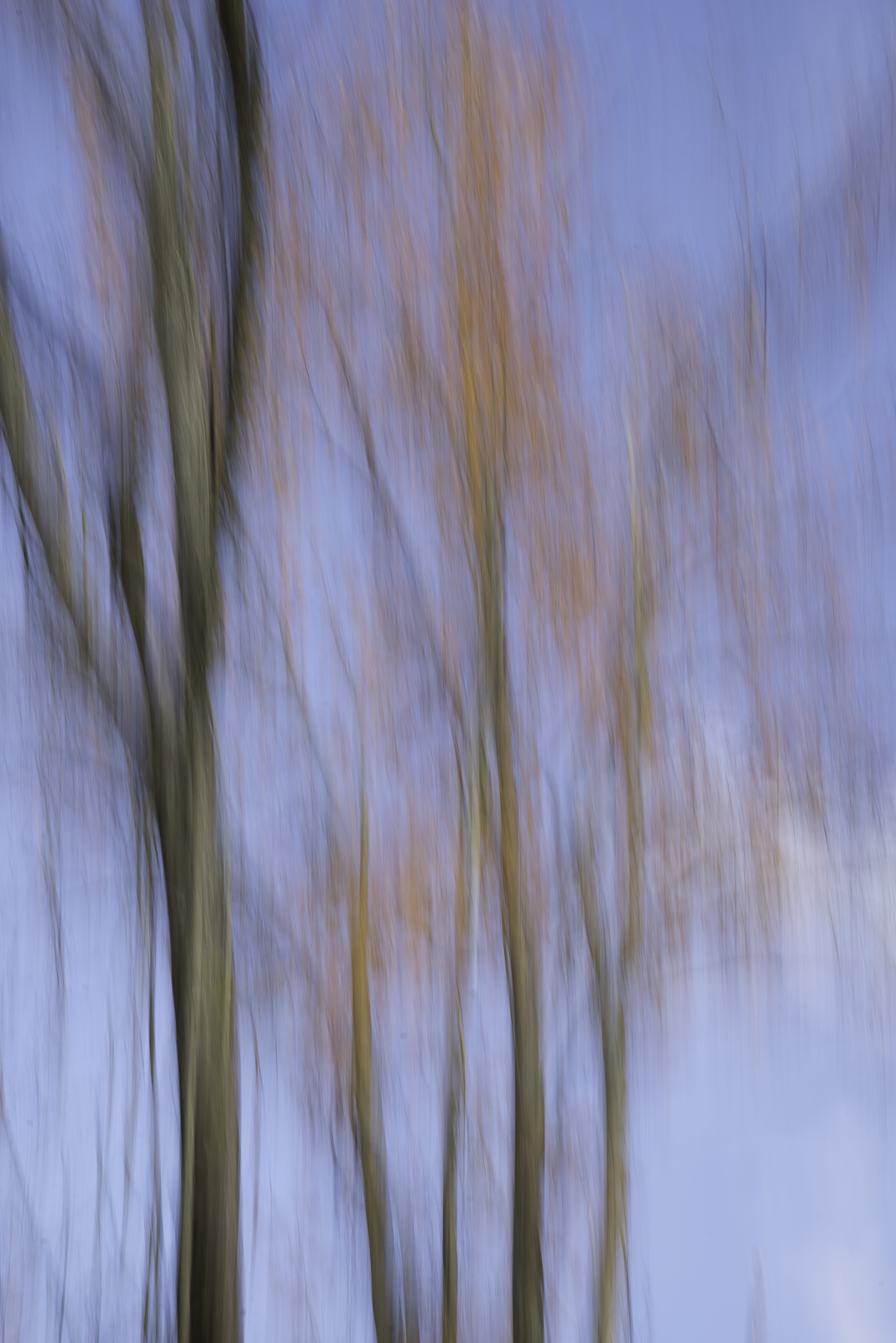
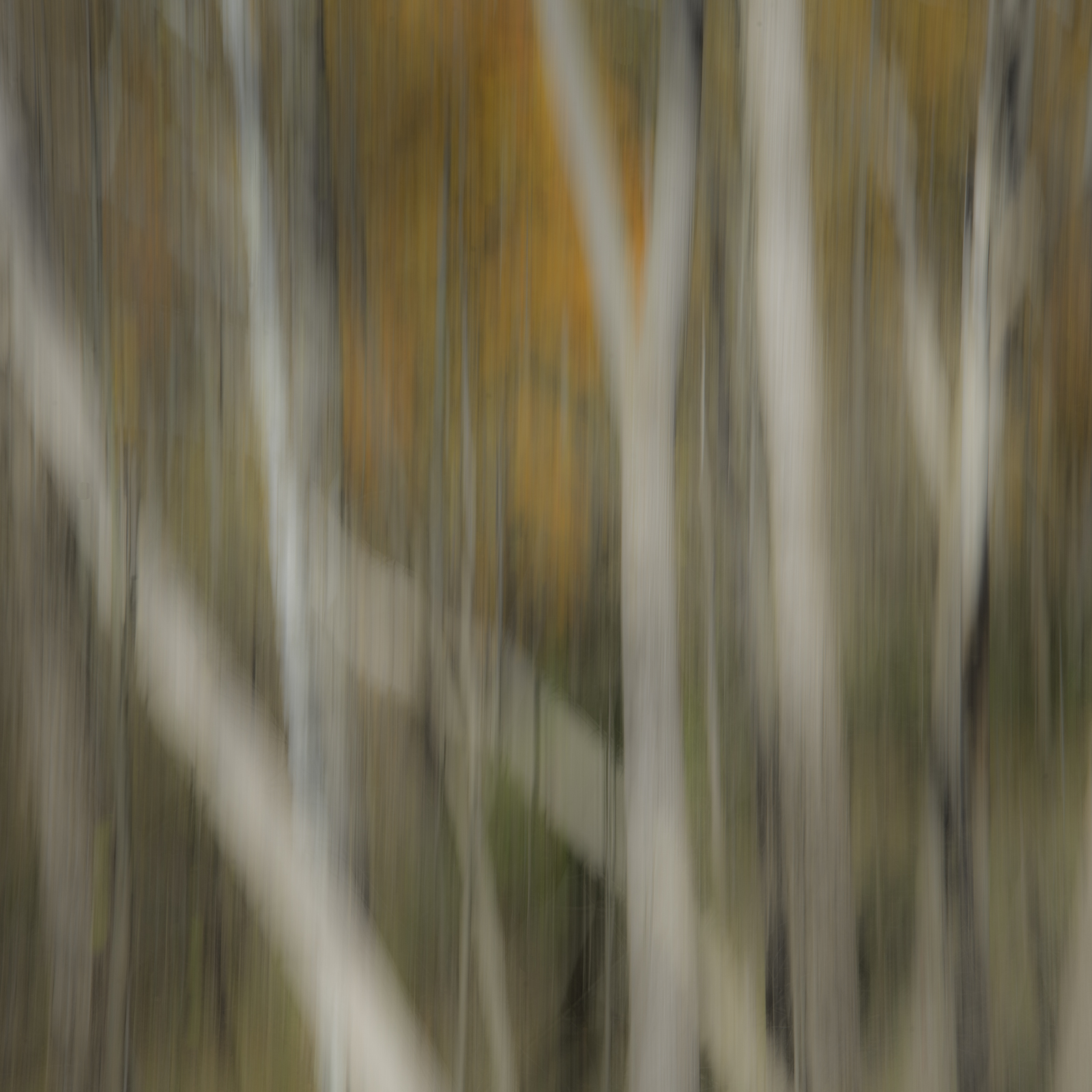
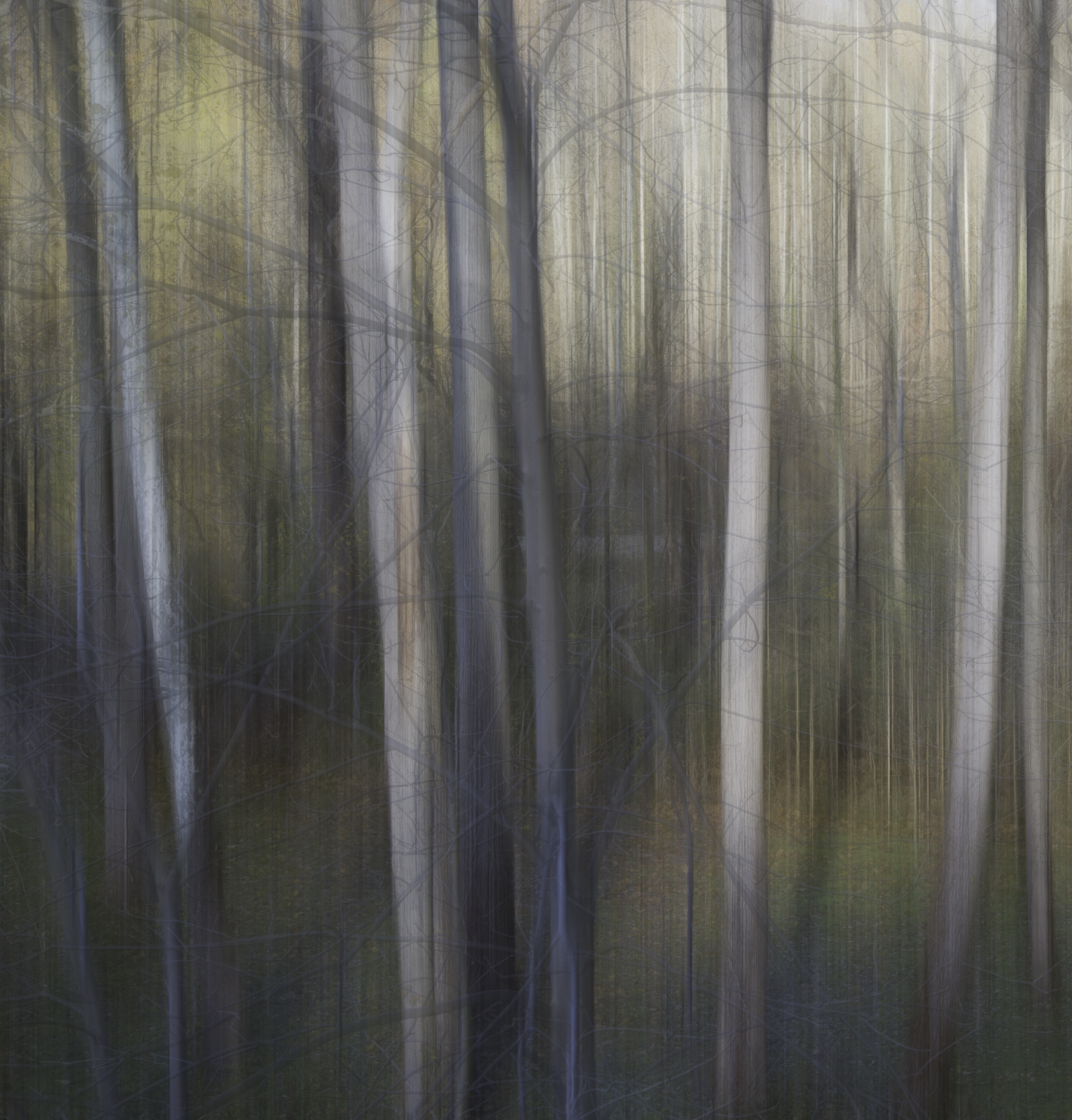
On November 3 I went back to Schoepfle Garden to try my hand at taking more images with intentional camera movement. Here are some from my outing. The last image is not a result of camera movement, however. This was a shot I took in the traditional way but later, after downloading, wished I had tried with camera movement. So I did the next best thing: used a Photoshop filter. Then I layered that image with the original image. Using the Photoshop filter felt like cheating, but I like the result. Click on the images to see larger versions.





 Romancing Reality
The last one is haunting – awesome!
The sixth one down has nice depth, loving these.
LikeLike
November 23, 2013 at 4:55 PM
Thank you, Karen! These are the results of my trying to make photographs that make me think of yours!
LikeLike
November 23, 2013 at 5:36 PM
This is a great little series. Exceptional even!
LikeLike
November 23, 2013 at 5:05 PM
Wow, thanks, Ken. I have another batch to go.
LikeLike
November 23, 2013 at 5:37 PM
The colors are beautiful! Keep it up….
Sue
LikeLike
November 23, 2013 at 7:50 PM
Glad you like these, Sue. No more color now, though I do have one more batch to post. Tried some camera movement on the greenery here in Florida last week with disastrous results. Will keep trying.
LikeLike
November 23, 2013 at 8:37 PM
My favorite is the 4th one with the red spot. I keep looking at it from different distances trying to see what I can see. 🙂
LikeLike
November 23, 2013 at 8:28 PM
Glad you like it. That little red tree really stood out from the rest of the scene.
LikeLike
November 23, 2013 at 8:40 PM
That really is superb work, Linda, and the last image is so unusual. Drawandshoot said ‘haunting’ – that’s a very apt description. Well done.
LikeLike
November 25, 2013 at 1:03 PM
Thanks, Andy. Your recent Beech Trees post (http://lensscaper.wordpress.com/2013/11/20/beech-trees/) is what got me back to thinking about using the Motion Blur filter. I had used it in some fiber-art pieces a few years ago (see http://www.lindagrashoff.com/VRS5lg.web.jpg for one of them) but then I totally forgot about using it. So thanks!
LikeLike
November 25, 2013 at 1:24 PM
That’s a fascinating link you sent, Linda. In-camera blur is not easy at all – I’ve tried it with very mixed results, largely my fault because I very rarely have a ND filter with me and so the exposures are not slow enough for an element of control.
LikeLike
November 25, 2013 at 1:28 PM
These are always so fun to play with in the field. Unpredictable and enticing at the same time. I particularly like the very top, and then the third from the bottom. I find I can probably shoot a dozen of any particular scene and maybe, just maybe, I can get one that I like. It is like trying to paint an entire canvas with a single stroke of a brush. 🙂
LikeLike
December 22, 2013 at 9:55 AM
Thanks for your comments, Mark, and I’m sorry about the delay in my response. I’m having problems with my mail, iPad, and computer’s communicating with each other. With the ICM I get many many more deletes than keepers, and the keepers are always a surprise, but I like surprises (good ones).
LikeLike
December 29, 2013 at 9:09 AM
These are really interesting results. You and some of the people you name in the comments above have also got me thinking about in-camera blur, though so far it has not been very satisfactory. I need different locations I think.
LikeLike
January 5, 2014 at 2:33 PM
Hi, Ehpem. Thanks for your comments. Besides adjusting the shutter speed and aperture, try moving the camera in various rhythms. Lately I’ve been liking what I get with a one- or two-second shutter speed and moving fast (or slow) and then holding the camera pretty still for the rest of the exposure.
LikeLike
January 7, 2014 at 11:52 AM
Hi Linda, thanks for the tip. Today might be the perfect day for that – the light levels are so low that long exposures are not a problem.
LikeLike
January 7, 2014 at 12:47 PM
Good luck! I look forward to seeing what you get.
LikeLike
January 7, 2014 at 2:27 PM